The workshop, on film
We would rather show than tell. Here are the movements of washing and restoration, filmed in the family's workshop.
Washing, step by step
A hand-knotted rug is not cleaned like a fitted carpet. Here is what we do, filmed in the workshop.
-
01
Brushing and dusting
Before the water, the dust. The whole surface of the rug is brushed to draw out the sand and grit embedded in the pile.
-
02
Washing with water and shampooing
The rug is washed flat, with plenty of water and a soap suited to wool or silk. The foam works the fibres without harming them.
-
03
Rinsing with a jet
A thorough rinse removes the soap and the last of the dirt. Nothing is left in the fibre.
-
04
Extracting the water
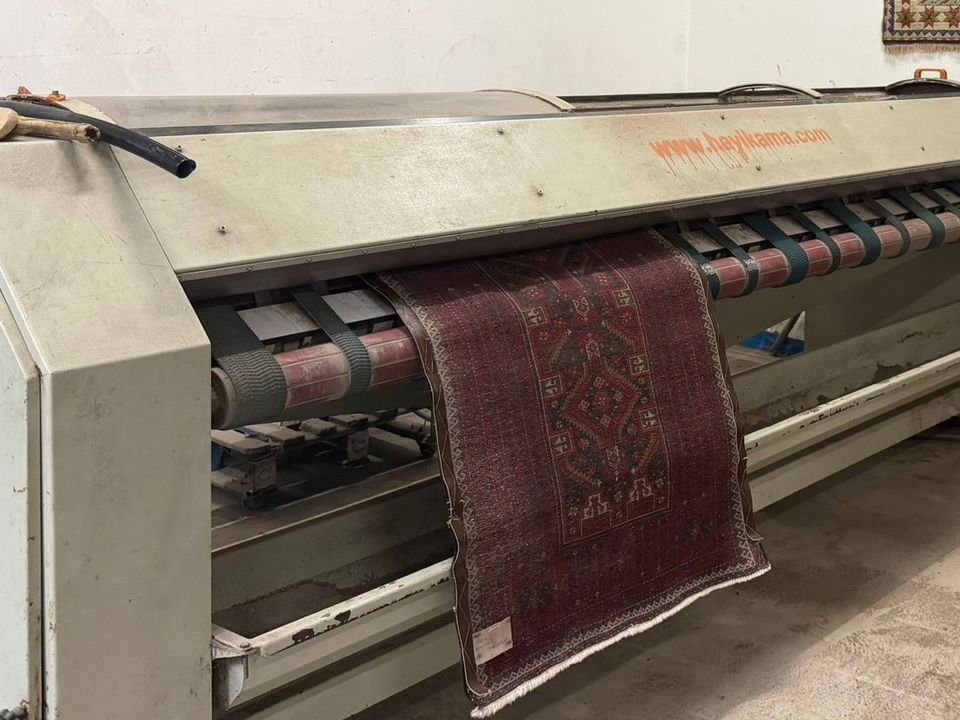
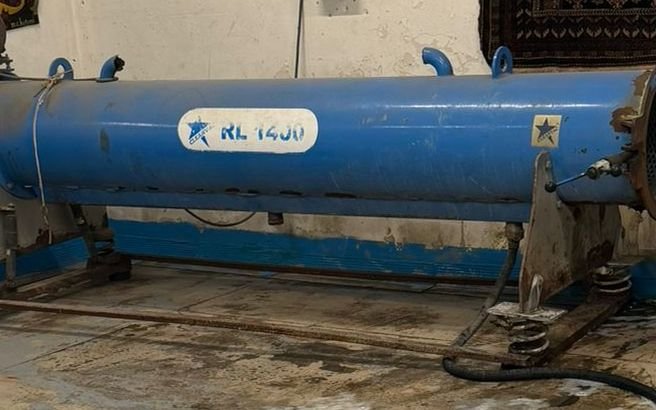
The rug goes through rollers and then into a centrifuge: the water is extracted without twisting or distorting the weave.
-
05
Checking and finishing the fringes
Every rug is checked once dry. The fringes are combed and, where needed, repaired by hand.
The craft in motion
The machines that don't replace the hand
A washing machine with rotating brushes, wringing rollers, a centrifuge: these tools do the heavy work — churning the water, extracting the water — and nothing else. Fine brushing, colour checks, fringe repair and all restoration work are done by hand.
The hands
Reweaving a fringe, overcasting a selvedge, reknotting a pile: these are slow movements, learned within the family, and they haven't changed. On every rug, the decision whether to repair, and how, is taken with the piece in hand.
Request a quote
A photo and the dimensions are enough for a first estimate. We reply by email or by phone.
- 1You send us a photo
A photo of the rug and its approximate dimensions, through the form or by email. No need to come in.
- 2We reply with a clear quote
We look at the material, the condition and any stains, then write back with what we propose and what it will cost. No surprises later.
- 3The rug goes to the workshop and comes back ready to lay
We agree the transport and the timing with you. Your rug comes back clean, dry, fringes combed.